Treat urinary difficulties from prostate enlargement (BPH) with prostate artery embolization (PAE)
A minimally invasive, image-guided procedure to treat urinary symptoms caused by an enlarged prostate.

A minimally invasive, image-guided procedure to treat urinary symptoms caused by an enlarged prostate.
Benign prostatic hyperplasia (BPH), or enlarged prostate, is a common non-cancerous condition that affects about half of men in their 50s and up to 90% of men over 80.
If left untreated, an enlarged prostate can cause serious issues such as urinary tract infections, bladder stones, kidney damage, or complete inability to urinate.
Prostate artery embolization (PAE) is a minimally invasive procedure that offers an effective outpatient treatment for men with moderate to severe BPH symptoms. If you’ve been diagnosed with BPH, PAE can provide fast relief without surgery.


The prostate is a small gland that sits just below the bladder and wraps around the urethra, the tube that carries urine out of the body. As men age, hormone changes cause the prostate to grow. Because it surrounds the urethra, a larger prostate can squeeze it and make it harder for urine to flow.
The size of the prostate doesn’t always match how bad the symptoms are. Some men with a very large prostate have few problems, while others with moderate enlargement struggle with frequent bathroom trips and poor sleep. That’s why treatment decisions are based on how your symptoms affect your daily life, not just on your prostate size.

An enlarged prostate is the most common cause of urinary problems in older men, but other conditions can cause similar symptoms, including:
Prostate cancer: often causes no symptoms early on, which is why a PSA blood test and regular screening matter.
Prostatitis: inflammation or infection of the prostate that can cause pain, burning and frequent urination.
Urinary tract infection: burning, urgency and cloudy urine can come on suddenly.
Overactive bladder or a narrowed urethra: these can cause urgency or a weak stream without an enlarged prostate.
Other health conditions and medications: diabetes, nerve problems and some medications can affect how your bladder works.
Before recommending PAE, your doctor will confirm that BPH is causing your symptoms, which may include a PSA test, a urine test and imaging of your prostate.

Guided by live X-ray imaging, an interventional radiologist (a specialized type of doctor) inserts a tiny catheter into an artery in the patient’s wrist, and then guides it through the body’s blood vessels to the arteries supplying blood to the prostate. Tiny beads are released through the catheter and into the arteries, decreasing blood flow to the prostate and causing it to shrink. This decrease in size leads to a reduction in symptoms and a return to more normal urinary function.
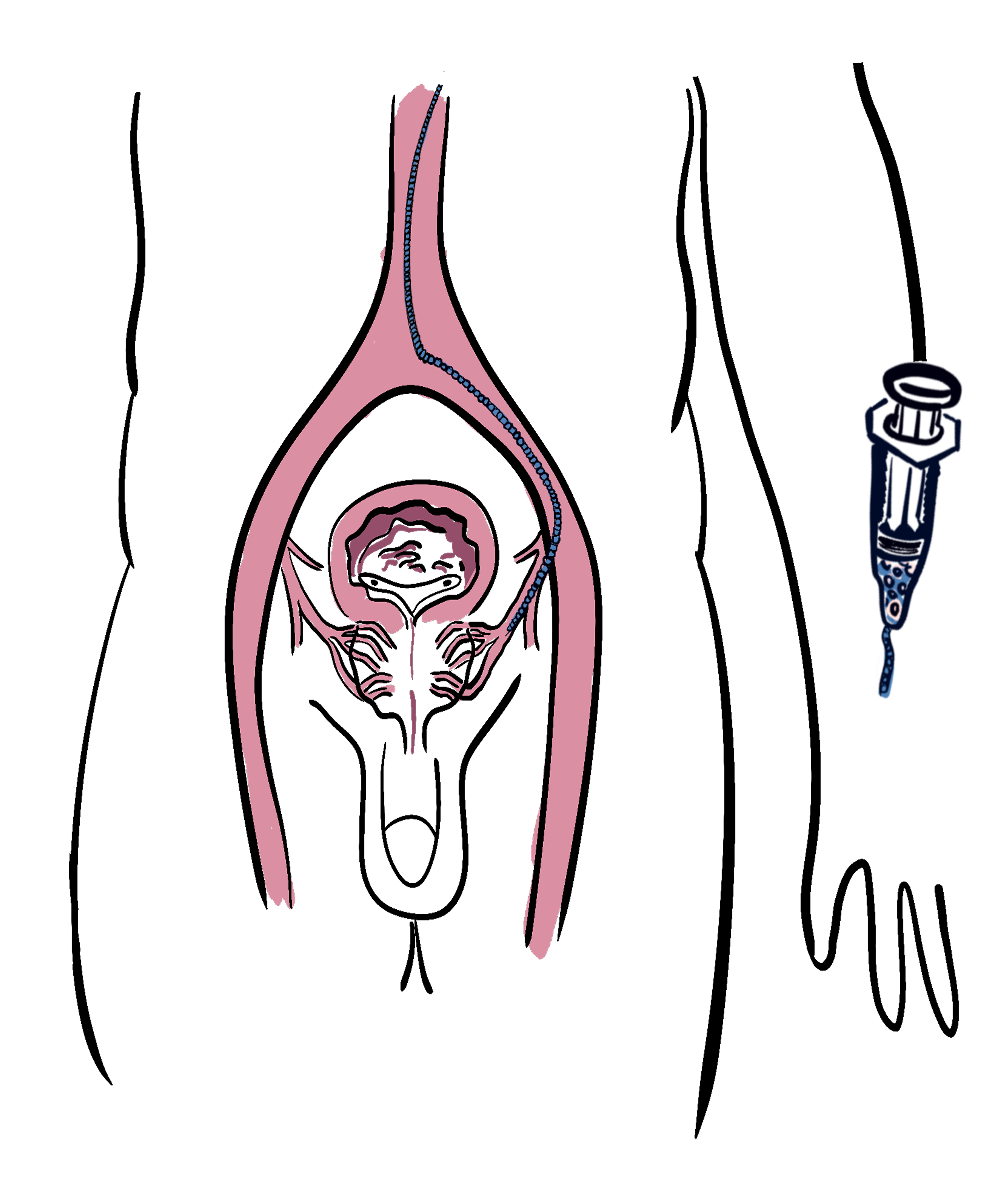
Most men go home the same day and return to their normal activities within a few days. For the first several days, it’s common to have some burning with urination, more frequent trips to the bathroom or mild pelvic discomfort as the prostate responds to treatment. These symptoms are temporary and are usually managed with medication.

There are several ways to treat an enlarged prostate. The right choice depends on your symptoms, prostate size, overall health and personal priorities.
Medication
Medications such as alpha blockers relax the muscles around the prostate, and other drugs can slowly shrink it. They help many men, but they need to be taken every day and can cause side effects like dizziness, fatigue or sexual side effects.
Minimally invasive office procedures
Urologists offer procedures that open the urethra with small implants or treat prostate tissue with steam. These work through the urethra and may not be suitable for very large prostates.
Surgery
Surgical options such as transurethral resection of the prostate (TURP) remove prostate tissue through the urethra. Surgery is very effective, but it usually requires anesthesia, may involve a hospital stay and a urinary catheter afterward, and carries a higher risk of sexual side effects.
Prostate artery embolization (PAE)
PAE treats the prostate through its blood supply, so no tissue is cut or removed. It’s an outpatient procedure, it can be used for large prostates, and it has a low risk of sexual side effects.

Your first visit is a conversation, not a commitment. Your doctor will ask about your urinary symptoms and how they affect your sleep, work and daily life, and review your medical history and current medications. You may be asked to fill out a short symptom questionnaire, and we’ll review or order tests such as a PSA blood test, a urine test and imaging of your prostate.
Men with BPH are usually treated by primary care doctors and urologists, who most often recommend medication or surgery. PAE is performed by interventional radiologists, specialists who treat conditions from inside the blood vessels using imaging. Because it comes from a different specialty, many men are never told it’s an option.
You deserve to know every option before deciding on treatment. If you’re tired of daily medication or want to avoid surgery, a consultation with an interventional radiologist can help you find out whether PAE is right for you.

“Love the way Dr. Foulard concerns about his patients health condition. He takes time with his patients to understand. He’s very thorough about everything before he does any procedures. The staff is amazing. I am very satisfied.”
“…Smart, educated, kind, and was able to quickly resolve my issues and plan next steps. Lotta doctors can be dismissive or cocky, or just not be good listeners. George was none of those.”
“Dr. Foulard is an outstanding interventional radiologist in New York City. He explains everything clearly, has a reassuring bedside manner, and takes excellent care of his patients from consultation through recovery. I highly recommend him.”
Rated 5.0 on Google and 5.00 on Zocdoc. Reviews are shown as written by patients.
Liberty Medical offers prostate artery embolization at our outpatient office in Manhattan’s Financial District. Your procedure is performed by a board-certified interventional radiologist, and our team is happy to coordinate with your urologist or primary care doctor. Meet our doctors.
Our team of specialists is on hand to answer your questions. Give us a call at 718-866-4435 or complete the form, and we'll be in touch as soon as possible.