Genicular Artery Embolization (GAE): Minimally Invasive Pain Relief for Knee Osteoarthritis
A breakthrough treatment for chronic knee pain and stiffness, GAE targets inflammation at the source without the need for surgery.

A breakthrough treatment for chronic knee pain and stiffness, GAE targets inflammation at the source without the need for surgery.
Genicular artery embolization (GAE) is a minimally invasive treatment for chronic pain from knee osteoarthritis (OA). Unlike surgery, it requires no hospital stay and involves little to no recovery time. GAE is highly effective at relieving pain, and in some cases may even help patients avoid surgery altogether.
Osteoarthritis, the most prevalent form of arthritis, progressively degrades knee cartilage, resulting in bone-on-bone contact and chronic inflammation. This increased inflammation triggers the body to direct more blood to the knee via small vessels known as genicular arteries. The heightened blood flow exacerbates the pain cycle, contributing to swelling, stiffness, and restricted movement.
Ideal candidate profile:
GAE may not be the best choice for all patients. One of our specialists will help you determine whether GAE is the right treatment for you.
GAE works by targeting certain blood vessels in the joint lining that drive inflammation and contribute to cartilage damage. By blocking these abnormal vessels, the procedure preserves normal blood flow, reduces pain, and slows or even prevents further cartilage loss.
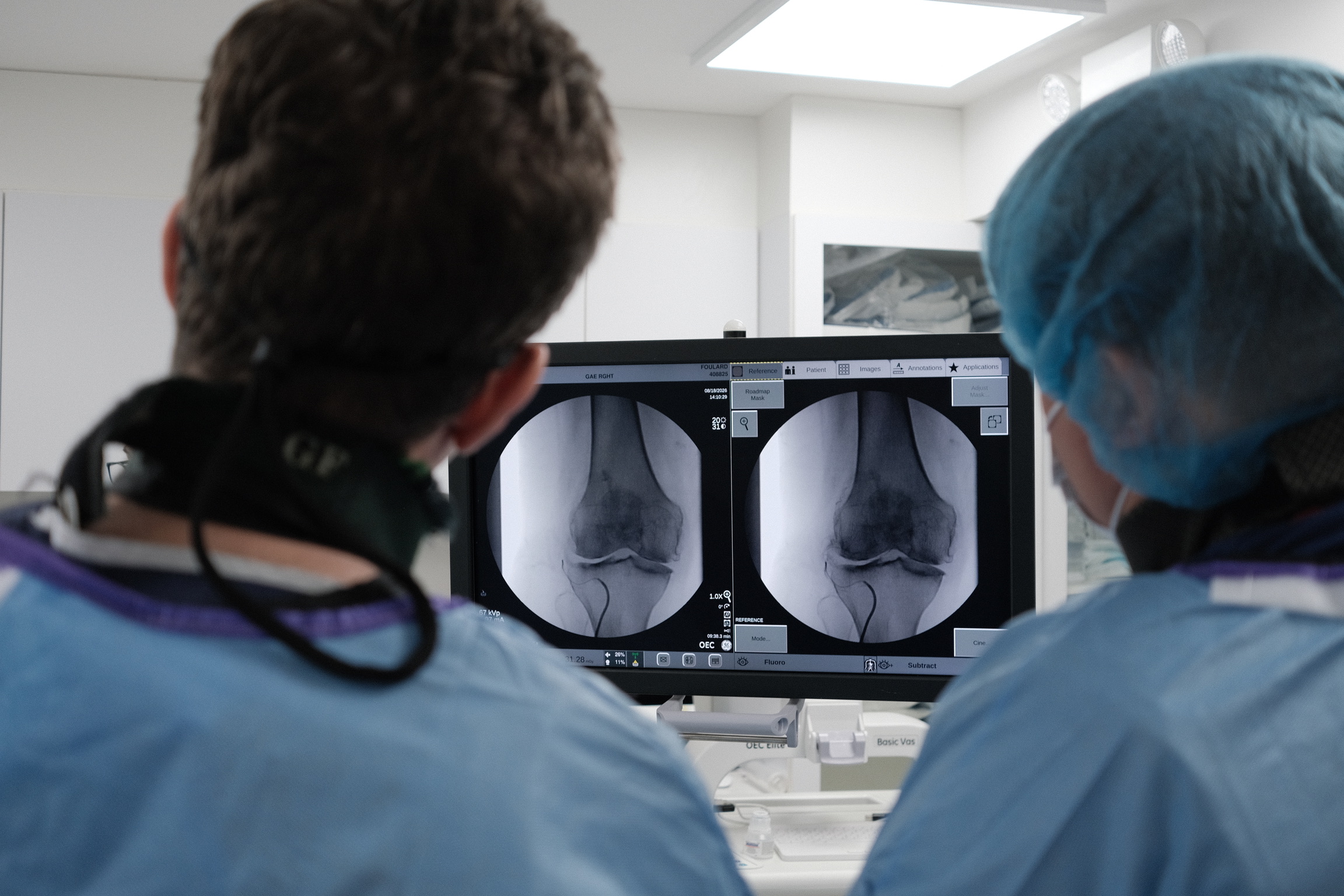
A small catheter is inserted into the arteries of the knee
Tiny particles are injected to block these arteries supplying the abnormal, inflamed knee lining
Blood flow to the inflamed tissue is reduced, decreasing or even eliminating knee pain
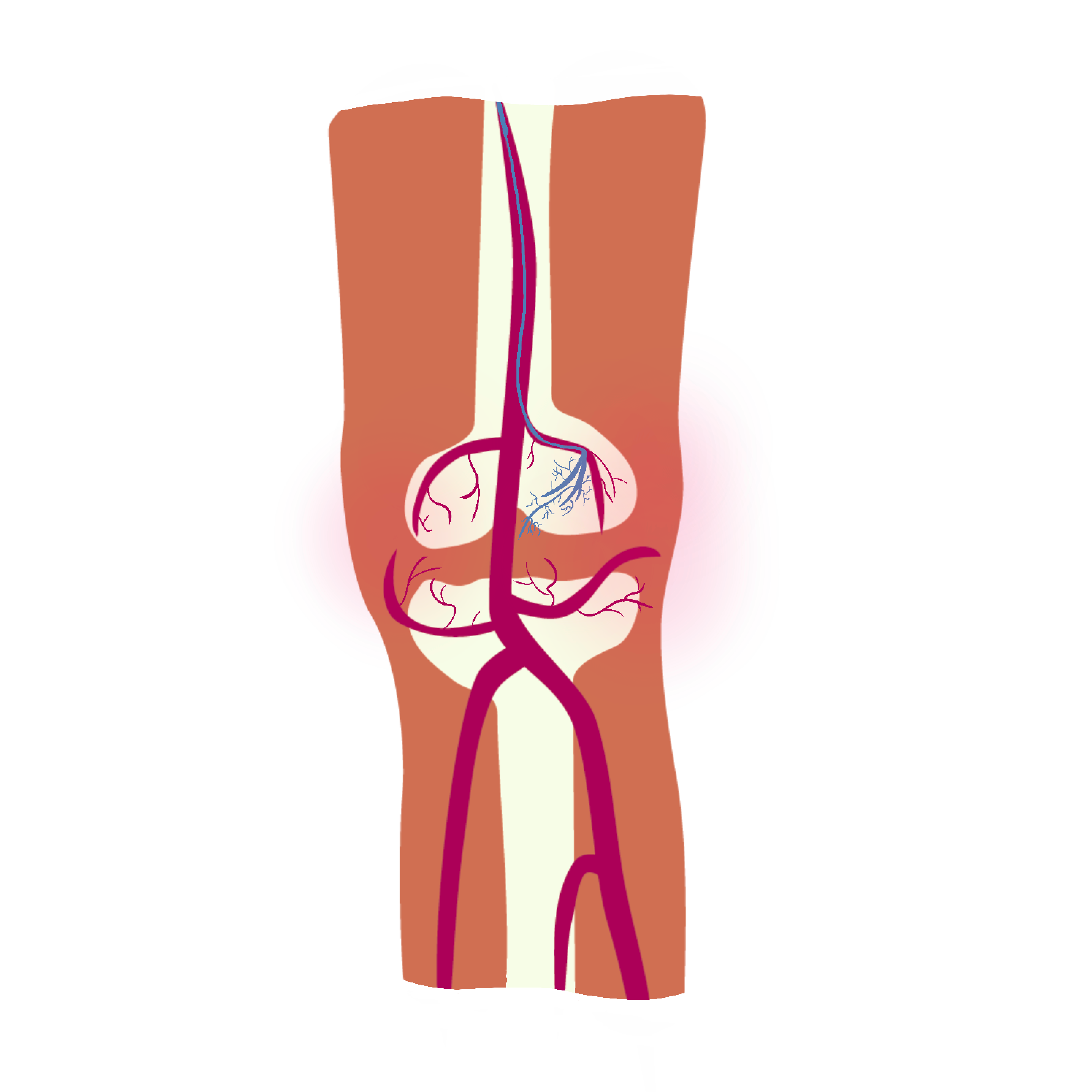
Knee osteoarthritis develops gradually as the cartilage that cushions the joint wears down. Without that cushion, the bones rub together and the lining of the joint, called the synovium, becomes inflamed. That inflammation is a major driver of the aching, stiffness, and swelling many people with knee arthritis live with every day.
Over time, the inflamed lining develops new, abnormal blood vessels fed by the genicular arteries around the knee. These vessels keep fueling the inflammation, which is why pain can persist despite rest, medication, or injections. Genicular artery embolization is designed to interrupt that cycle by reducing blood flow to the abnormal vessels while leaving normal circulation in place.
Common signs of knee osteoarthritis include pain that worsens with walking or climbing stairs, morning stiffness, swelling, a grinding sensation, and a knee that feels like it may give out.

Clinical studies show that GAE offers substantial pain reduction for patients with moderate to severe knee osteoarthritis, including individuals who did not respond to standard treatment options.
GAE is performed as a same-day outpatient procedure by an interventional radiologist, a physician who specializes in treating conditions from inside the blood vessels using image guidance. Most patients are surprised by how straightforward the experience is.
A local anesthetic and light sedation keep you relaxed and comfortable
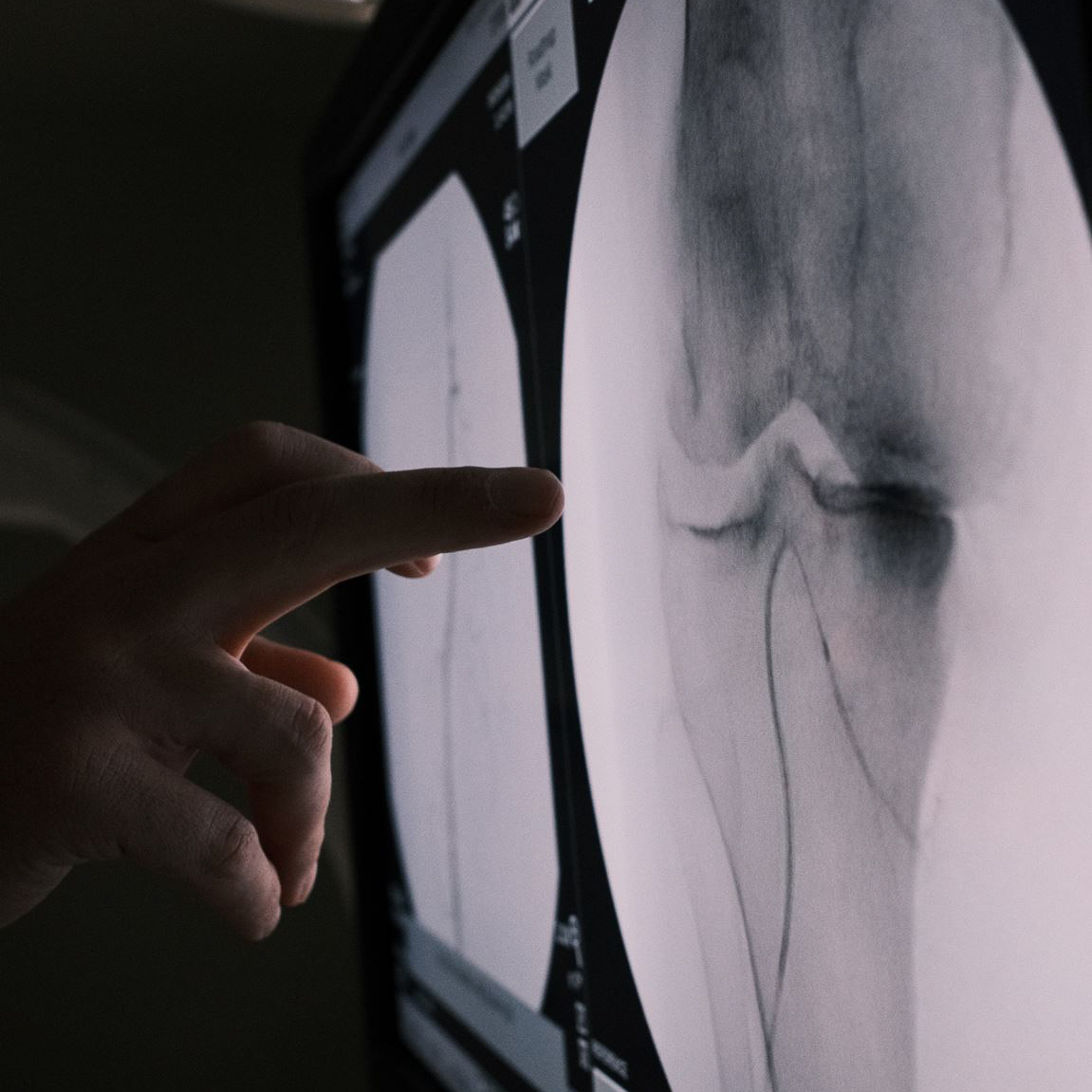
Using live X-ray imaging, a thin catheter is guided through a tiny access point to the arteries around the knee
Microscopic particles are released to reduce blood flow to the abnormal, inflamed vessels
After a short rest and monitoring period, you head home the same day
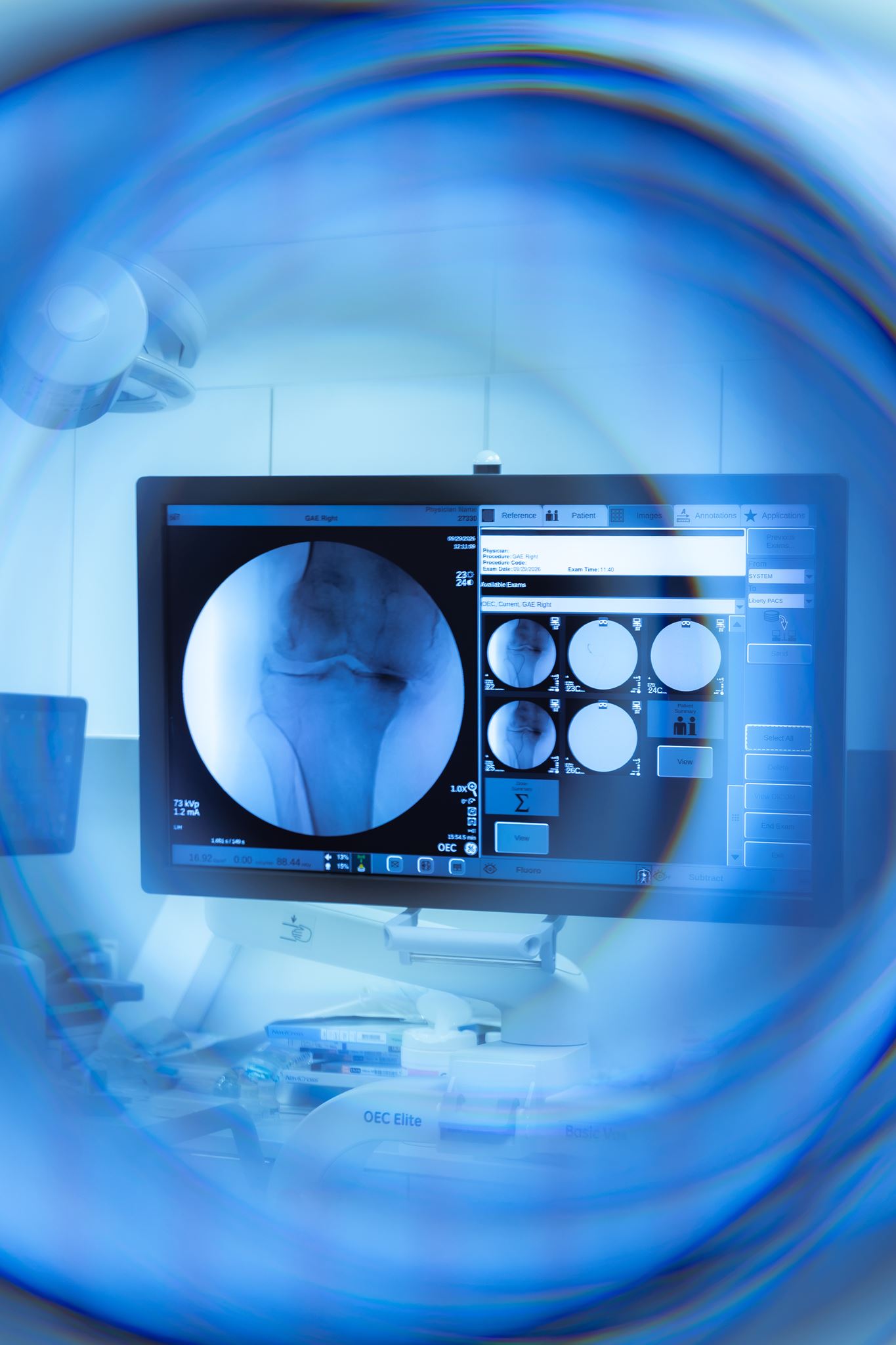
Liberty Medical’s physicians have extensive experience diagnosing knee osteoarthritis and treating it with minimally invasive procedures. Using X-ray guidance, they treat the source of knee pain without surgery, so you can avoid the incisions and long recovery that surgery involves. Treatment takes place in our comfortable outpatient center, a calmer and more personal setting than a busy hospital, where your safety and comfort come first.
Our doctors completed fellowship training in vascular and interventional radiology. With more than 13 years of medical education and training, they are among the most highly trained physicians in medicine and are qualified to handle both your diagnosis and your treatment.
If you think a minimally invasive knee treatment may be right for you, we invite you to schedule a consultation. We’re glad to work with your doctors and care team to find the best treatment for your condition.
“Dr Foulard took time to explain every aspect of the procedure. The procedure went well and I walked out the same day. Within a few weeks I had full motion in both knees.”
“Dr Foulard was personable and professional. I think he will be able to help alleviate my knee pain through the procedures scheduled.”
“Dr. Foulard is an outstanding interventional radiologist in New York City. He explains everything clearly, has a reassuring bedside manner, and takes excellent care of his patients from consultation through recovery. I highly recommend him.”
Rated 5.0 on Google and 5.00 on Zocdoc. Reviews are shown as written by patients.
Liberty Medical offers GAE at our outpatient office in Manhattan’s Financial District. Your procedure is performed by a board-certified interventional radiologist, and our team is happy to coordinate with your primary care doctor, orthopedist or physical therapist.
Our team of specialists is on hand to answer your questions. Give us a call at 718-866-4435 or complete the form, and we'll be in touch as soon as possible.